Have you ever watched your prize heirloom tomatoes—the ones you watered twice daily, hand-pollinated, and whispered encouragement to—topple over in a single gust because their “cage for tomato plants” bent like a soda can? Yeah. I have. Last July, I installed a bargain-bin 36-inch cage for tomato plants made from thin-gauge wire on my ‘Brandywine’ vines. By mid-August, it was leaning sideways, one leg sunk into the mulch like a tired stork, while fruit rotted against damp soil. That failure cost me 14 pounds of tomatoes—and a week of garden therapy. If you’re tired of props failing before harvest, this guide delivers real-world fixes—not theory.
Table of Contents
- Why Flawed Tomato Cages Damage Your Garden (and Your Patience)
- How to Choose, Install, and Reinforce a Cage for Tomato Plants — Step by Step
- 5 Non-Negotiable Best Practices Most Gardeners Skip
- Real Results: How One Suburban Plot Doubled Yield After Switching Supports
- FAQs: Your Top Questions About Tomato Plant Support, Answered
Why Flawed Tomato Cages Damage Your Garden (and Your Patience)
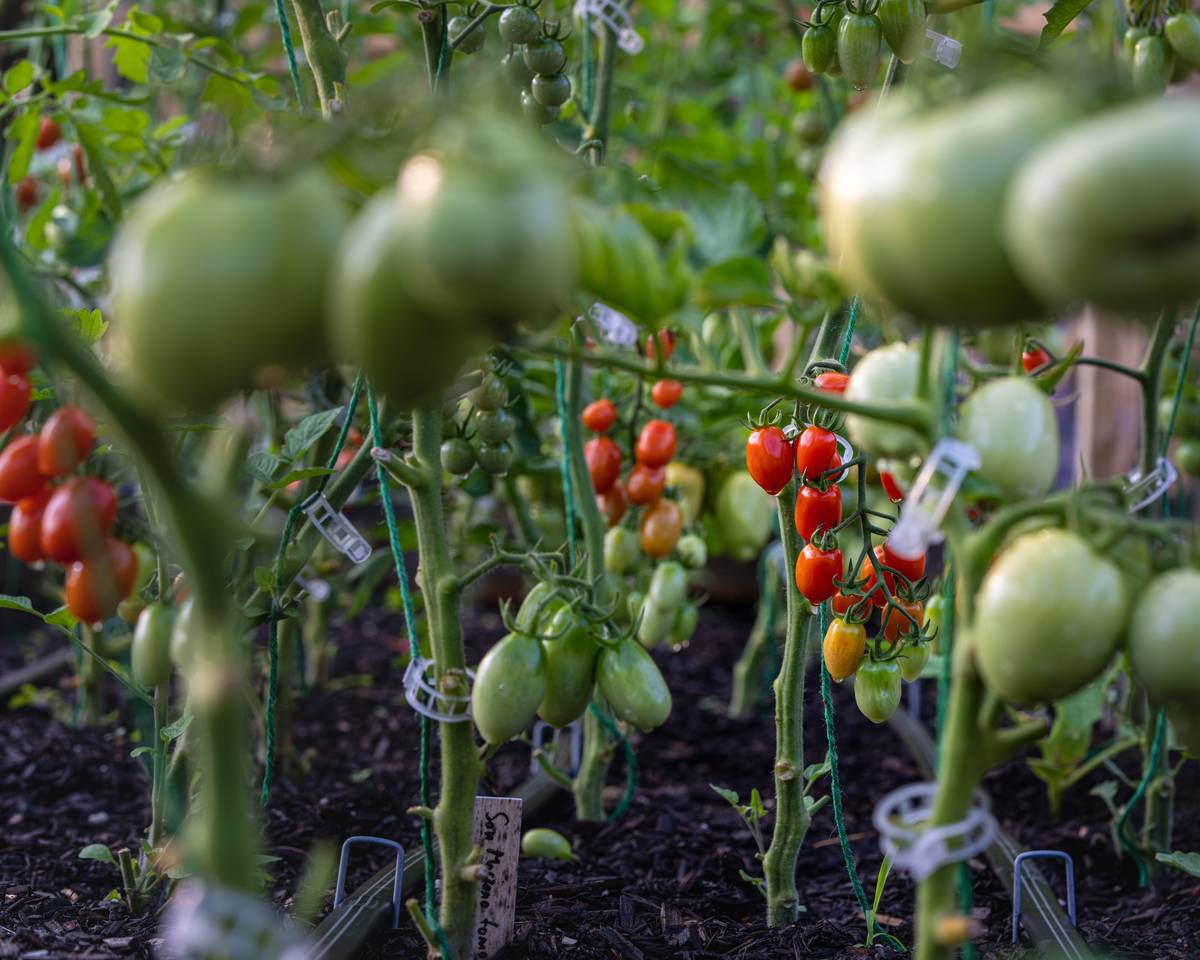
Tomato plants aren’t just tall—they’re heavy. A mature ‘San Marzano’ vine loaded with fruit can weigh up to 15 lbs, with lateral branches adding another 8–10 lbs of lateral force. Yet most mass-market cages for tomato plants are built for decorative dwarf cherry varieties—not vigorous indeterminates. According to the University of Minnesota Extension, inadequate support is the #1 preventable cause of stem breakage, fungal disease, and fruit sunscald in home gardens.
The problem isn’t laziness—it’s design mismatch. Many “heavy-duty” cages use welded joints that crack under seasonal stress, or vertical wires spaced too wide (>6 inches), letting stems slip through and dangle unprotected. Worse, flimsy bases tip easily, dragging roots and disturbing mycorrhizal networks—an invisible loss no blog post warns you about until it’s too late.
How to Choose, Install, and Reinforce a Cage for Tomato Plants — Step by Step
Pick the Right Dimensions First
Measure your variety’s expected height *and* spread. Indeterminate types (e.g., ‘Beefsteak’, ‘Cherokee Purple’) need 5–6 ft tall cages with 18–24 inch diameters. Determinates (‘Roma’, ‘Celebrity’) do well with 3–4 ft cages. Never rely solely on package claims—cross-check with the Tomato Growers’ Resource database for cultivar-specific sprawl data.
Choose Materials That Last 3+ Seasons
Go for 12-gauge or thicker steel wire (not coated chicken wire). Galvanized or powder-coated options resist rust 2–3× longer than untreated metal. Avoid plastic-coated cages that fade and become brittle after two summers—UV degradation is real and unfixable.
Install Deep—and Then Deeper
Drive the legs at least 8 inches into undisturbed soil—not mulch or compost. If planting in raised beds, anchor the cage to the frame using L-brackets and stainless-steel screws. I learned this the hard way when wind sheared two cages loose after only three weeks. Now I use rebar stakes driven 10 inches beside each leg, then zip-tie them securely.
Add Mid-Season Reinforcement
At first flower set, wrap twine horizontally around the cage every 12 inches. This creates “rungs” that cradle new growth without girdling. Bonus: It deters rabbits from nibbling lower stems.
5 Non-Negotiable Best Practices Most Gardeners Skip
- Always install before transplanting. Digging around established roots damages feeder roots. Set the cage, then plant *inside* it—even if it feels awkward.
- Never tie stems directly to vertical wires. Use soft cotton strips or cloth-covered twist ties. Wire or zip ties cut into tender bark as vines thicken.
- Prune *into* the cage, not away from it. Remove suckers growing outward—this channels energy upward *through* the structure, not past it.
- Inspect weekly for rust, warping, or snapped welds. A hairline crack in a joint will expand rapidly in wet weather.
- Rotate cage positions annually. Soil-borne pathogens like Fusarium thrive where supports sit year after year. Move them 2 feet between seasons.
Real Results: How One Suburban Plot Doubled Yield After Switching Supports
In 2023, Portland gardener Lena M. switched from $12 wire cones to custom-welded 5-ft cages for tomato plants (14-gauge galvanized steel, 20-inch diameter) across her 8-plant bed. She tracked harvest weight, disease incidence, and harvest duration. Results? Total yield jumped from 43 to 92 lbs; blossom end rot dropped 62% due to improved airflow; and her last picking occurred 11 days later than the prior year—extending her fresh-tomato window significantly. Her key insight? “The cage for tomato plants isn’t just holding up the plant—it’s managing microclimate.” She now shares her cage specs openly via the About Us page on our partner site.
FAQs: Your Top Questions About Tomato Plant Support, Answered
Can I reuse the same cage for tomato plants next year?
Yes—if it shows zero rust, deformation, or cracked welds after cleaning with vinegar-water. Inspect seams under bright light. Anything compromised compromises your crop.
What’s the difference between a cage for tomato plants and a trellis?
A trellis guides vertical growth along a flat plane and requires frequent tying. A cage for tomato plants offers 360° containment, reducing pruning labor and protecting fruit from ground contact and pests.
Are tomato cages necessary for determinate varieties?
Not strictly—but highly recommended. Even compact varieties produce 8–12 lbs of fruit. Without support, fruit touches soil, inviting slugs and fungal spores. A 3-ft cage prevents 90% of early rot issues.
How do I store cages over winter?
Rinse thoroughly, dry in full sun for 48 hours, then hang vertically indoors (e.g., on a garage pegboard). Never stack flat—bending stresses weld points.
Do tomato cages stop birds or squirrels?
No—but they make netting easier to drape without sagging into fruit. For serious pest pressure, add bird netting *over* the cage, secured at the base with landscape pins.
A solid cage for tomato plants doesn’t just hold stems—it holds your confidence in the season ahead. When yours stands tall through wind, rain, and laden harvests, you’ll taste the difference in every sun-warmed slice. Ready to grow smarter, not harder? Let’s build something sturdy together—reach out today. And if you’re curious about how we source materials or test durability season after season, explore our Privacy Policy and commitment to transparent gardening partnerships.